

What is Sasang Constitutional Medicine?
Sasang is an Oriental healing system, unique to Korea. The philosopher and doctor, Lee Jae-Ma developed this system of Body Constitution after noticing that while most people would respond favorably to medicines and treatments, some people would actually get worse using the same medicines. There are four constitutional types within this system that are typically diagnosed by observation.
The Four Sasang Constitutions
Tae-eum (Greater Yin)
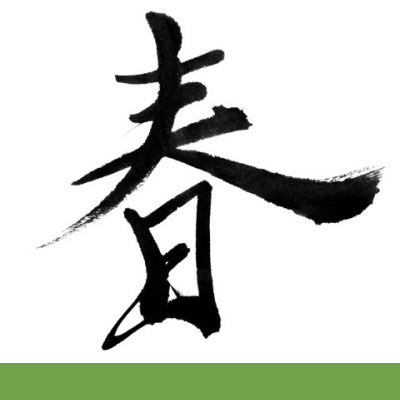
For the Tae-eum constitution the liver is the strongest organ and the lung is the weakest. Here the cold energy has reached the extreme and is about to turn from Yin to Yang. (Because of this, it is possible for Tae-eum to have warm central energy. This is relatively uncommon, however.) People of the Tae-eum constitution tend to be slow, thoughtful and deliberate.
- Strong Organ > Liver
- Weak Organ > Lung
- Central Energy > Hot or Cold
Tae-yang (Greater Yang)
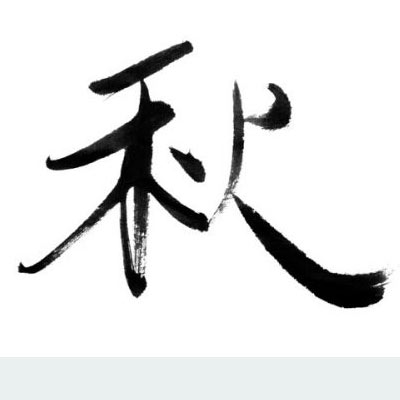
Tae-yang are characterized by having excessively strong lung energy and very weak liver energy. Their Central Energy is hot so they need to avoid any food or supplement that is warming in nature. To achieve balance they should avoid foods that strengthen the lung and eat foods that strengthen the liver. This constitution is quite rare in the population.
- Strong Organ > Lung
- Weak Organ > Liver
- Central Energy > Hot
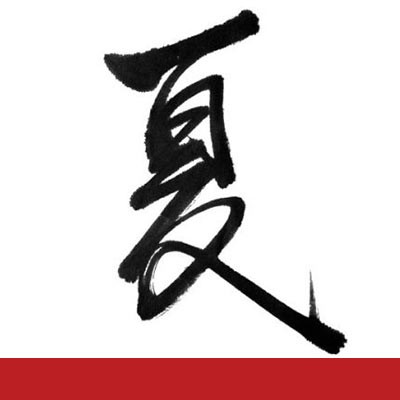
So-yang (Lesser Yang)
So-yang have excessively strong Central Energy that is hot and dry. Their kidneys are weak. They are often associated with the summer because of the heat in their systems and that heat is still increasing. They need to avoid anything that increases heat and dryness and that strengthens the stomach and spleen. They thrive on foods that are cooling and moistening in nature.
- Strong Organ > Spleen
- Weak Organ > Kidney
- Central Energy > Hot
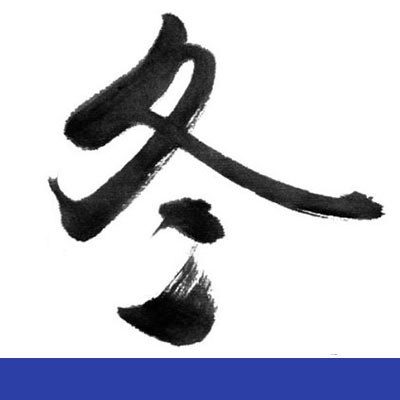
So-eum (Lesser Yin)
So-eum have excessively strong kidneys and weak, very cold Central Energy. They are often described as similar to the winter because of the cold and damp of their systems. The coldness is increasing like the weather after the solstice and often their energy is stagnant like frozen earth. To balance their bodies they need lots of warmth. Damp, wet foods and environments are especially bad for them. Vegetarian and vegan diets do not suit them unless they daily eat very hot and spicy food that is typical of Indian or Thai cuisines.
- Strong Organ > Kidney
- Weak Organ > Spleen
- Central Energy > Cold
A Reliable Method For Sasang Constitution Diagnosis:
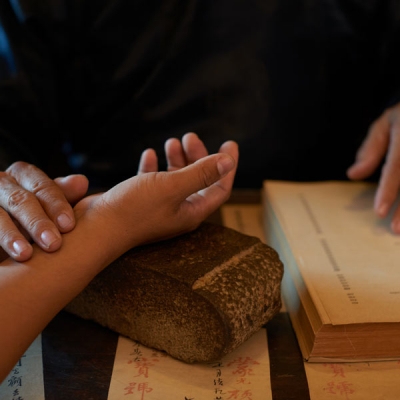
It can be difficult to diagnose the body constitution accurately. Traditionally, a trained acupuncturist bases the diagnosis on external appearance, temperament, pulse reading and various symptoms. It is similar in certain ways to Ayurveda.
There is also a system of diagnosis based on Chinese Astrology. This method has proved far more accurate and reliable in identifying a person’s basic constitution and the relative balance between the internal organs than observation alone. In addition, using it, eliminates the need to travel for diagnosis, saving both time and expense.
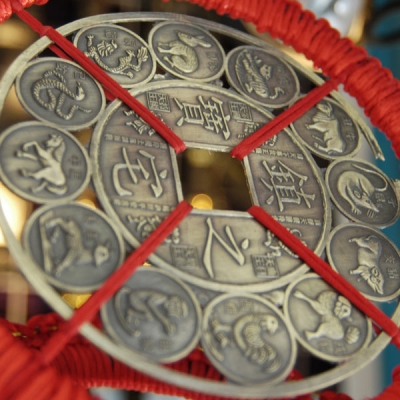
Chinese Astrology
Ancient Chinese cosmology is based in Taoism; the idea that “all that is” comes from one source and is made up of and animated by that source, the Tao. Like acupuncture, Chinese Astrology is based in Taoism. Both use the same concepts of the balance of Yin Yang and the movement of life (Qi or Chi), the cycles of the Seasons and the interaction of the Five Elements or Phases. These concepts were further developed into areas of focus called the Five Chinese Arts.
- Self-healing – includes diet, meditation, and martial arts.
- Medicine – includes acupuncture and herbs
- Destiny – includes astrology
- Divination – predicting the future, includes the I Ching
- Form – which includes feng shui and sacred rites
All of these arts are considered equal and they all are dealing with the same concepts, simply applied in different areas. They all are concerned with the idea of living in harmony with the Tao and living out what the Chinese refer to as “your curriculum”. What in the West we might call “being all you were meant to be”.
In addition, they weave together in certain ways. An example is in acupuncture there are some acupuncture points that have certain therapeutic effects only at certain times of the day or during certain seasons, (Horary and Antique points). The only accurate way to determine the times when these points are active is by the use of Chinese astrology.
Your birth chart shows a relationship between each of the five elements and yin yang. When you were born, you entered a moment in time that had certain characteristics of the movement of qi, of the balance and interaction of yin yang and of the building and controlling of the five elements. This moment is imprinted in both your psychology and your biology and you carry the impact of this moment for your entire life. It is a descriptive representation of your “curriculum”.
“Discussion with Charles Fleck DSOM.
Results Using Chinese Astrology to Diagnose Sasang Constitution”
Still Haven’t Heard of Sasang Medicine?
There’s a tremendous amount of clinical data, published in scientific journals, coming out of Korea about Sasang Medicine. Take a listen to the podcast I did with Charles Fleck, DSOM discussing his research design and the symptom changes from this preliminary study.